Vegetarian diet plan
What is vegetarian Diet Plan
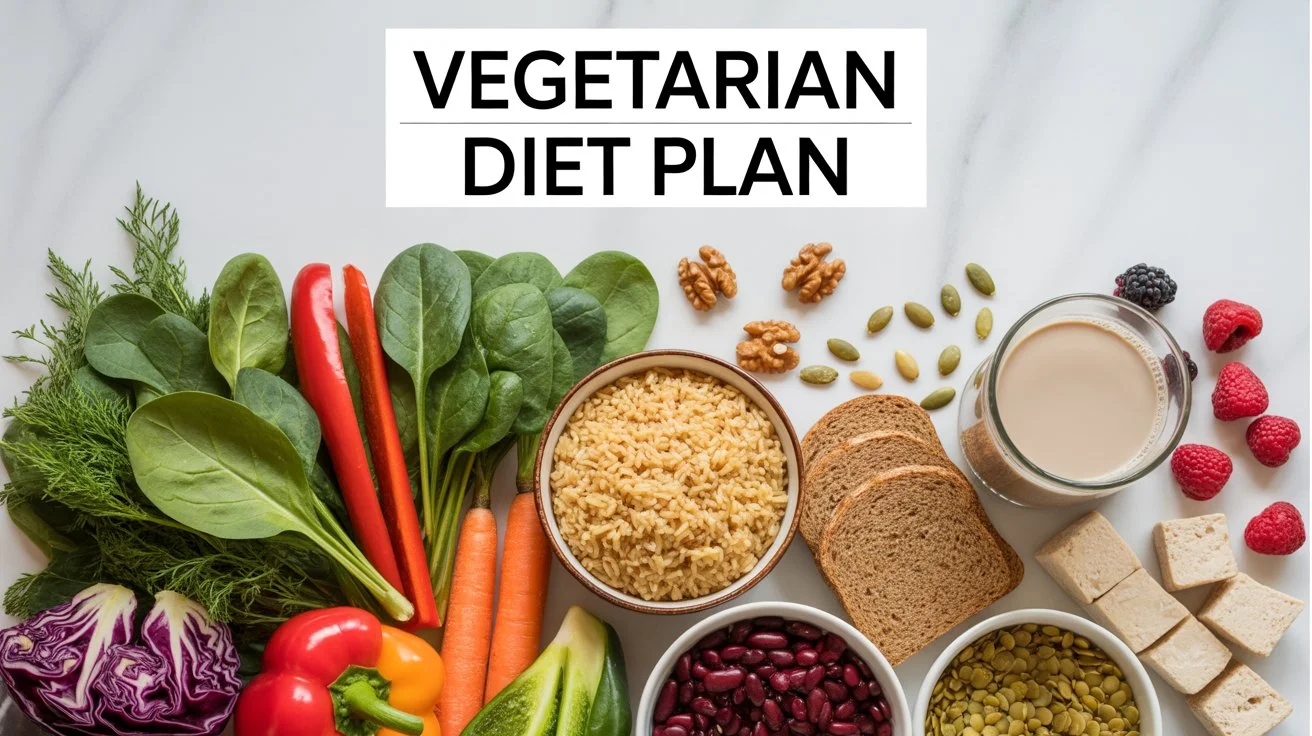
A vegetarian diet plan centers on eating foods that come out of plants. You eat fruits, vegetables, grains, legumes, nuts, and seeds as your main foods. Most vegetarian diets also include dairy products like milk and cheese, plus eggs. You skip meat, poultry, and fish but get your nutrition out of plant based sources instead.
The key to a good vegetarian diet plan is balance. You need to eat the right amounts of protein, carbs, and healthy fats to keep your body working well. One simple way to build your meals involves filling half your plate with vegetables to get vitamins and minerals. A quarter of your plate should have protein foods like beans, lentils, tofu, or paneer. The other quarter holds complex carbs such as brown rice or whole wheat bread. You also drink plenty of water and eat dairy or plant milk to stay hydrated and get calcium.
A vegetarian diet plan works best when you avoid processed foods. Choose real foods that your body recognizes and can use well. The goal is eating whole foods in the right portions so your body gets everything it needs to stay healthy and strong. This approach helps you lose weight, gain energy, and feel better overall.
Benefits Of Eating Vegetarian
Lower Heart Disease Risk
Eating vegetarian food protects your heart in many ways. Plant foods have no cholesterol, which keeps your arteries clean and blood flowing smoothly. Your blood pressure drops when you eat less salt and more potassium out of vegetables and fruits. People who eat vegetarian have much healthier hearts and live longer lives. Your heart stays strong because you avoid the saturated fats that come out of meat.
Easier Weight Loss
Plant foods help you lose weight naturally without strict calorie counting. Vegetables and fruits have lots of fiber that makes you feel full in smaller portions. You eat less because your stomach tells your brain that it has enough food. Weight drops steadily when you stick with whole foods and avoid processed items. Many people lose ten to twenty pounds in their first few months eating vegetarian.
Better Digestion
Your stomach and intestines work much better on a vegetarian diet. Fiber out of beans, whole grains, and vegetables keeps everything moving smoothly. Good digestion means your body absorbs all the nutrients you eat. You feel less bloated and uncomfortable after meals. Your gut health improves and you have regular bowel movements that feel normal.
Stable Blood Sugar
Your energy stays constant throughout the day on a vegetarian diet. Plant based foods do not cause the blood sugar spikes that meat and sugar do. You avoid the energy crashes that make you tired and hungry. People with diabetes see their blood sugar numbers improve eating this way. Your pancreas works less hard and stays healthier over time.
Saves Money
Eating vegetarian food costs much less than eating meat. Beans and lentils give you cheap protein that feeds your family well. Whole grains and seasonal vegetables cost very little at the market. Your grocery bill drops by thirty to forty percent when you skip expensive meat. You eat better food for less money than most people spend on meat.
Stronger Bones And Muscles
You do not need meat to build strong bones and big muscles. Dairy products give you calcium that makes bones hard. Nuts, seeds, and legumes give you protein that builds muscle. Athletes eat vegetarian and win competitions at high levels. Your body gets everything it needs out of plant foods to stay strong.
Also Check: Healthy diet food plan
Types Of Vegetarian Diets
Lacto Ovo Vegetarian
This type of vegetarian eating includes dairy products and eggs but no meat, fish, or poultry. Lacto means milk and ovo means eggs, so you get both. You eat cheese, yogurt, milk, and butter along with all plant foods. Eggs give you complete protein and important nutrients. This is the most common type of vegetarian diet that people follow.
Lacto Vegetarian
Lacto vegetarians eat dairy products but skip eggs along with all meat. You can have milk, cheese, yogurt, and butter in your meals. You avoid eggs completely even though they come out of animals. This diet works well for people who do not like eggs or cannot digest them. Dairy gives you calcium and protein you need to stay healthy.
Ovo Vegetarian
Ovo vegetarians eat eggs but avoid all dairy products and meat. You get protein and nutrition out of eggs in many forms. You skip milk, cheese, yogurt, and butter completely. Some people choose this because they cannot digest dairy or do not like it. Eggs become your main animal product on this diet.
Vegan Diet
Vegans eat no animal products at all, not even dairy or eggs. Your meals come entirely out of plants like vegetables, fruits, grains, nuts, seeds, and legumes. You skip honey because it comes out of bees. This diet takes more planning to get all nutrients your body needs. Many vegans take vitamin B12 pills because plants do not have this vitamin naturally.
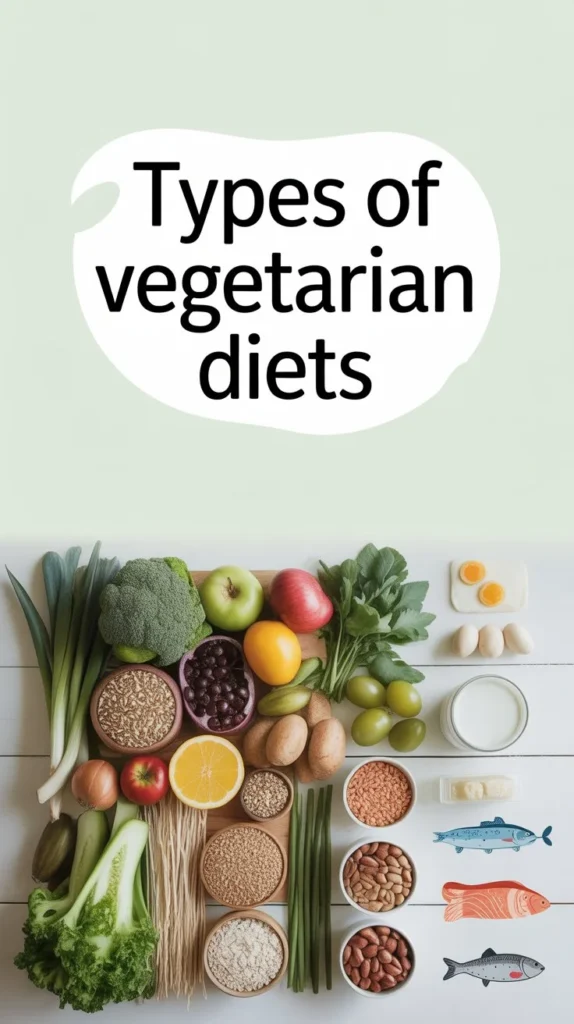
Flexitarian Diet
Flexitarians eat mostly plant foods but sometimes eat meat, fish, or poultry. You reduce meat eating without cutting it out completely. You might eat vegetarian most days but have chicken on weekends. This diet helps people transition into vegetarian eating slowly. It works well for families with mixed eaters who have different preferences.
Pescatarian Diet
Pescatarians eat fish and seafood but skip all other meat like chicken and beef. You eat lots of vegetables, grains, and dairy along with your fish. Fish gives you omega 3 fats that help your heart and brain. You get protein out of fish and plant sources both. This diet appeals to people who want to cut meat but still eat some animal protein.
Foods You Can Eat On A Vegetarian Diet
Vegetables
Vegetables fill half your plate and give you vitamins, minerals, and fiber. Leafy greens like spinach, kale, and lettuce have iron and calcium for strong bones. Broccoli and cauliflower pack lots of nutrients in small portions. Carrots, bell peppers, and tomatoes add color and different tastes to your meals. Root vegetables like potatoes, sweet potatoes, and beets give you energy and fill your stomach. Eat as many vegetables as you want because they have very few calories.
Fruits
Fruits taste sweet and keep your body healthy naturally. Berries like blueberries, strawberries, and raspberries have compounds that protect your cells. Apples give you fiber that helps your digestion work well. Bananas have potassium that keeps your heart strong. Oranges and lemons give you vitamin C that builds your immune system. Eat two to three fruits daily as snacks or with meals.
Whole Grains
Whole grains give you lasting energy that keeps you going all day. Brown rice works in stir fries, bowls, and side dishes. Oats make warm breakfasts that fill your stomach until lunch. Quinoa has all the amino acids your body needs to build muscle. Whole wheat bread and pasta taste good and have lots of fiber. Barley and millet add variety to your meals. Choose whole grains instead of white rice and white bread.
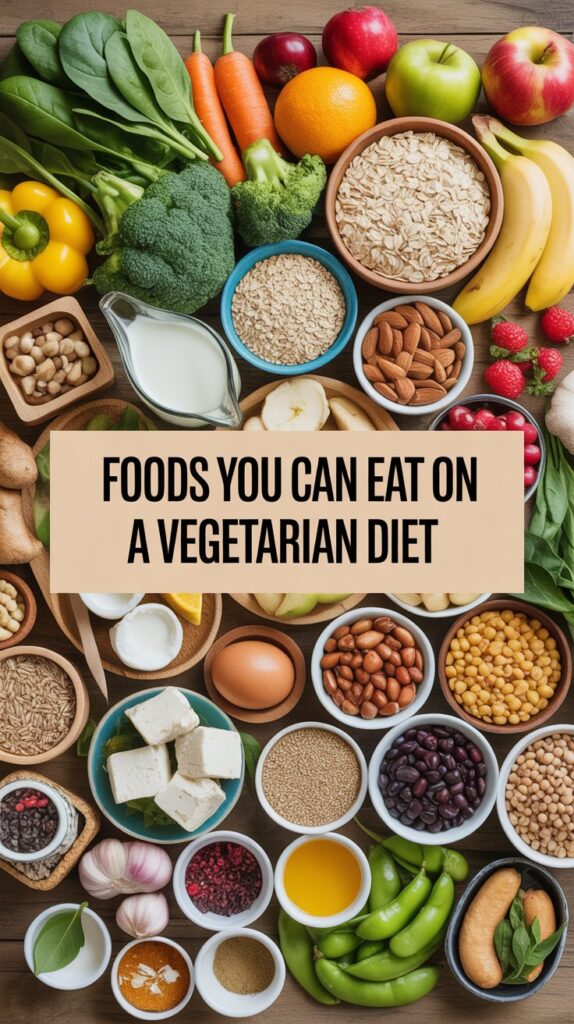
Legumes And Beans
Beans and legumes give you protein that builds muscles just like meat does. Lentils cook quickly and work in soups, salads, and rice bowls. Chickpeas make hummus and curry dishes that taste amazing. Black beans, kidney beans, and pinto beans work in tacos and chili. Split peas make thick soups that warm you up. Beans cost very little money and keep you full for hours.
Nuts And Seeds
Nuts and seeds have healthy fats and protein that your body loves. Almonds make great snacks and add crunch to salads. Walnuts have omega 3 fats that help your brain work well. Cashews and pistachios taste delicious and fill you up. Sunflower seeds and pumpkin seeds work as toppings or snacks. Chia seeds and flax seeds add nutrition to smoothies and oatmeal. Eat a small handful of nuts daily for best results.
Dairy Products
Dairy gives you calcium and protein if you eat lacto or lacto ovo vegetarian. Milk works in cereals, smoothies, and cooking. Yogurt makes great breakfasts with fruit and granola. Cheese adds flavor and protein to many dishes. Cottage cheese and paneer give you high protein options. Butter adds taste to cooking and baking. Plant based milk like soy, almond, and oat milk work well if you avoid dairy.
Eggs
Eggs give you complete protein with all amino acids your body needs. Scrambled eggs make quick breakfasts that keep you full. Boiled eggs work as snacks or salad toppings. Omelets let you add vegetables and cheese for complete meals. Baked goods use eggs to stay soft and fluffy. Most people can eat one to two eggs daily without problems.
Tofu And Tempeh
Tofu takes the taste of whatever you cook it with, making it very useful. You can stir fry tofu, bake it, blend it into smoothies, or crumble it. Tempeh has a nuttier taste and chewier texture than tofu. Both give you complete protein and work in Asian dishes well. They cost less than meat and last a long time in your fridge.
Soy Products
Soy milk works as a dairy replacement in cereals and smoothies. Edamame are young soybeans that make tasty snacks. Soy sauce adds flavor to stir fries and other dishes. Miso paste makes soups and marinades. Soy products give you complete protein like meat does.
Herbs And Spices
Herbs and spices make your food taste amazing without salt. Garlic and ginger add warmth and flavor to cooking. Turmeric has compounds that reduce swelling in your body. Cumin and coriander work in Indian dishes. Basil and oregano make Italian meals taste fresh. Cinnamon adds sweetness to breakfast foods naturally.
Weekly Vegetarian Meal Plan
| day | breakfast | ||
| Monday | Oatmeal with berries and almonds | Lentil soup with whole wheat bread | Bean tacos with fresh vegetables |
| Tuesday | Scrambled eggs with whole wheat toast | Chickpea salad with mixed greens | Lentil curry with brown rice |
| Wednesday | Yogurt with granola and fruit | Vegetable and bean grain bowl | Tofu stir fry with broccoli and rice |
| Thursday | Whole grain toast with peanut butter | Tomato lentil soup with salad | Baked paneer with roasted vegetables |
| Friday | Smoothie with plant milk and fruit | Quinoa bowl with chickpeas and veggies | Vegetable pasta with tomato sauce |
| Saturday | Scrambled eggs with vegetables | Bean and vegetable burrito bowl | Bean chili with cornbread |
| Sunday | Oatmeal with nuts and cinnamon | Leftover dinner from Saturday | Cooking day for next week |
Tips For Success
- Cook big batches of beans and grains on Sunday so you have food ready all week.
- Chop vegetables ahead and store them in containers to save time during the week.
- Prepare snacks like cut vegetables and boiled eggs so you eat healthy when hungry.
- Drink plenty of water and eat slowly so your body feels full and satisfied.
- Switch meals around if needed but stick to your plan as much as you can.
Cooking Tips For Vegetarian Food
Use High Heat For Vegetables
- Cook vegetables on high heat to keep them crispy and keep nutrients inside
- High heat makes vegetables taste better and look more appealing
- Roasting vegetables in the oven at high temperature brings out their natural sweetness
- Stir frying on high heat cooks food fast and keeps vegetables firm
- Low heat cooking makes vegetables soft and mushy which nobody enjoys eating
Season Your Food Well
- Vegetables taste bland without spices and salt
- Add salt early in cooking so flavors blend together well
- Garlic and ginger make almost any vegetable taste amazing
- Turmeric adds color and helps reduce swelling in your body
- Cumin, coriander, and chili powder make Indian dishes taste authentic
- Herbs like basil, oregano, and thyme work great in Italian meals
- Taste your food as you cook and add more seasoning if needed
Toast Nuts Before Using Them
- Toasting nuts brings out their flavor and makes them taste richer
- Heat nuts in a dry pan over medium heat for five minutes
- Stir them constantly so they do not burn
- Your kitchen will smell amazing while nuts toast
- Toasted nuts make salads and grain bowls taste much better
Keep Garlic And Ginger Fresh
- Buy garlic and ginger fresh and use them quickly
- Fresh garlic tastes ten times better than garlic powder
- Chop garlic and let it sit for five minutes before cooking
- This makes garlic taste stronger and healthier
- Store garlic and ginger in cool dark places so they last longer
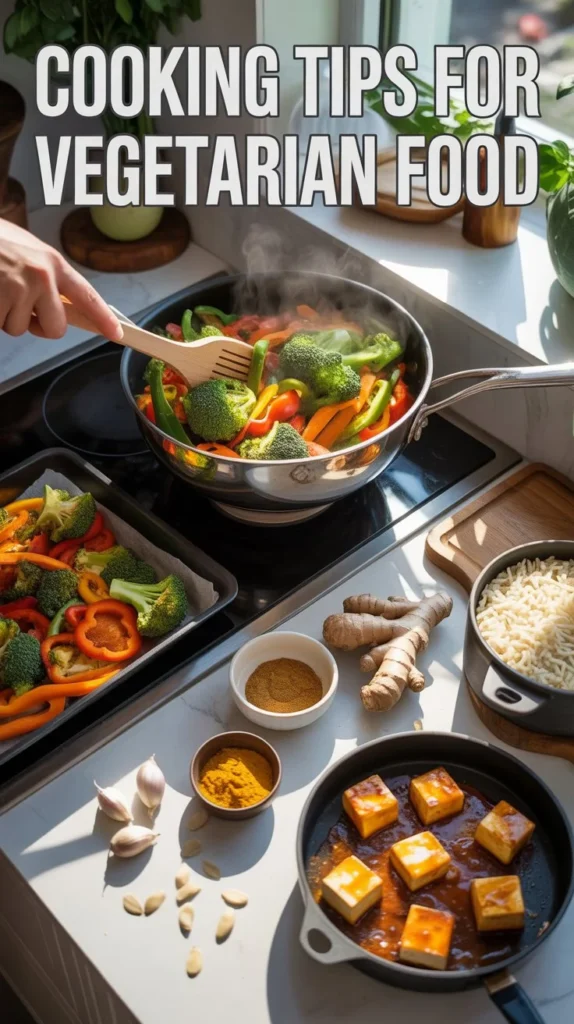
Cook Rice Correctly Every Time
- Use two cups water for every one cup of rice
- Bring water to a boil then add rice and salt
- Cover the pot and turn heat to low
- Cook for fifteen to twenty minutes without lifting the lid
- Rice tastes fluffy and separate when cooked correctly
- Check rice is fully cooked before eating
Marinate Tofu And Tempeh
- Tofu and tempeh taste plain without flavor added
- Cut them into chunks and soak in sauce overnight
- Use soy sauce, ginger, garlic, and oil for marinade
- Marinated tofu tastes much better when you cook it
- Press tofu first to remove extra water before marinating
Blend Sauces Smooth
- Make creamy sauces out of yogurt, nuts, and coconut milk
- Blend cashews with water to make thick cream sauce
- Blend chickpeas with lemon and garlic for hummus
- Smooth sauces make grain bowls and vegetables taste exciting
- A good sauce can turn boring food into delicious meals
Common Mistakes People Make
- Not eating enough calories and feeling hungry all the time after meals
- Skipping protein sources and not getting strong muscles and energy
- Cooking vegetables on low heat which makes them mushy and tasteless
- Not seasoning food enough so meals taste boring and plain
- Buying only fresh produce that goes bad before you eat it
- Not getting enough vitamin B12 and feeling tired and weak
- Cooking beans incorrectly and ending up with hard beans
- Eating too many nuts and seeds which have lots of calories
- Not combining different foods to get all amino acids your body needs
- Giving up too quickly when you feel hungry or tired
- Not reading food labels and eating more salt than your body needs
- Skipping meals and then eating too much at dinner time
Conclusion
Starting a vegetarian diet plan gives your body amazing health benefits that show up quickly. You lose weight naturally, your heart stays stronger, and your energy levels go up. Eating plant based foods costs less money than buying meat while giving you all the nutrients you need to stay healthy and strong.
Planning your meals ahead makes eating vegetarian easy and stress free. You know exactly what to cook each day and what groceries to buy. Cooking simple meals at home saves time and money compared to eating out or buying processed foods. Your kitchen becomes a place where you create delicious meals your whole family enjoys eating together.
Your journey into vegetarian eating does not have to be perfect. Start today with one meal and build from there. Try new recipes, taste different vegetables, and find meals that make you happy. Your body will thank you with more energy, better sleep, and a healthier weight.