Low Carb Diet Plan
What Is a low carb Diet Plan?
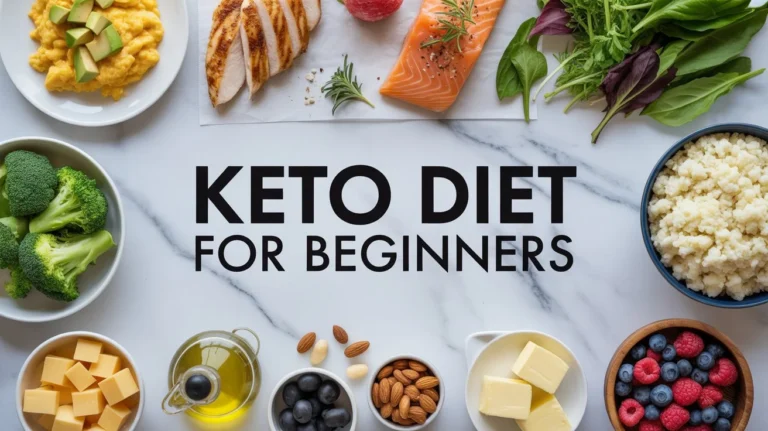
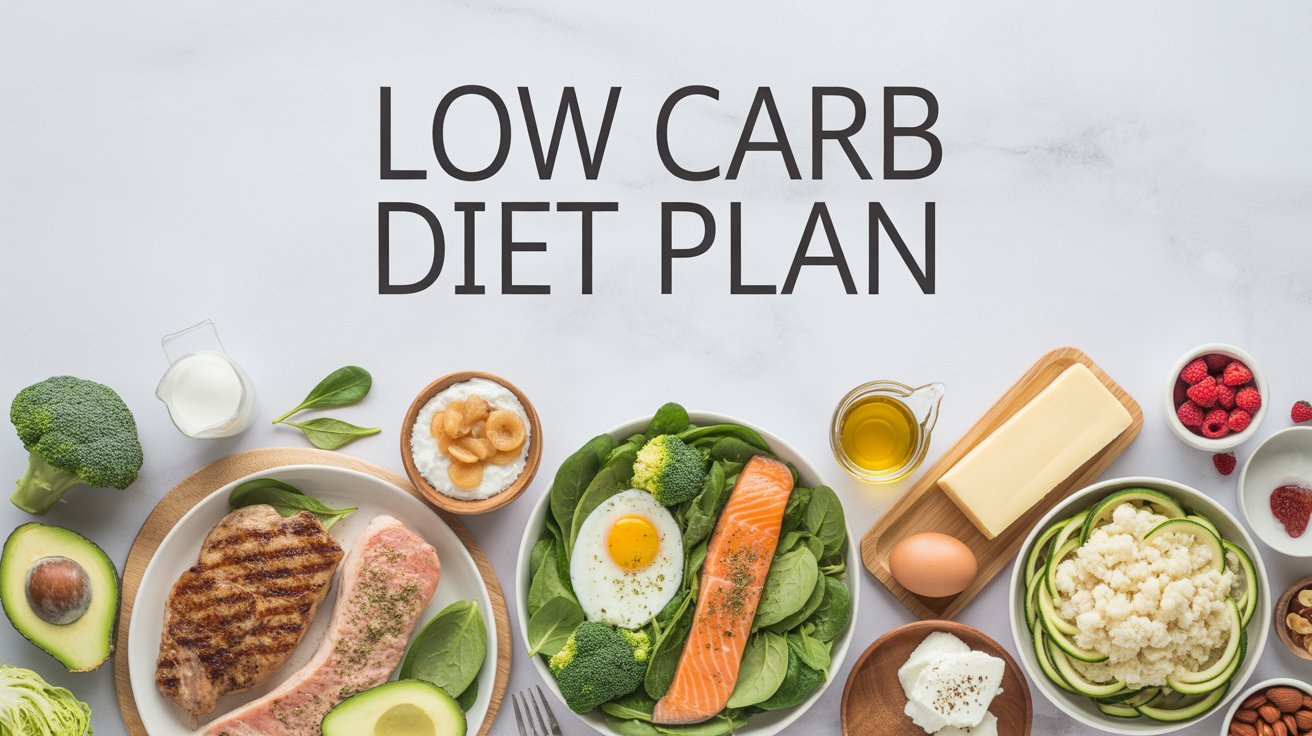
A low carb diet plan reduces the amount of carbohydrates you eat each day and increases protein and fat intake. Carbohydrates come mainly in foods like bread, pasta, rice, potatoes, sweets, and sugary drinks. When you cut back on these foods, your body starts using fat for energy instead of relying on carbs. This eating style has helped millions of people lose weight, control blood sugar, and feel more energetic throughout the day. The basic idea behind this plan stays simple: eat more whole foods like meat, fish, eggs, vegetables, and healthy fats while avoiding or limiting starchy and sugary items.
Most low carb diets keep daily carbohydrate intake somewhere between 20 and 100 grams, depending on your goals and activity level. Some people follow a very strict version that stays under 30 grams per day, while others choose a more relaxed approach that allows up to 100 grams. The specific amount you choose depends on factors like your current weight, how much you want to lose, your exercise routine, and any health conditions you might have. Your body adapts to burning fat for fuel within a few days to a week after you start reducing carbs. This shift helps control hunger, stabilize energy levels, and support steady weight loss over time.
Foods You Can Eat on a Low Carb Diet
Meat and Poultry
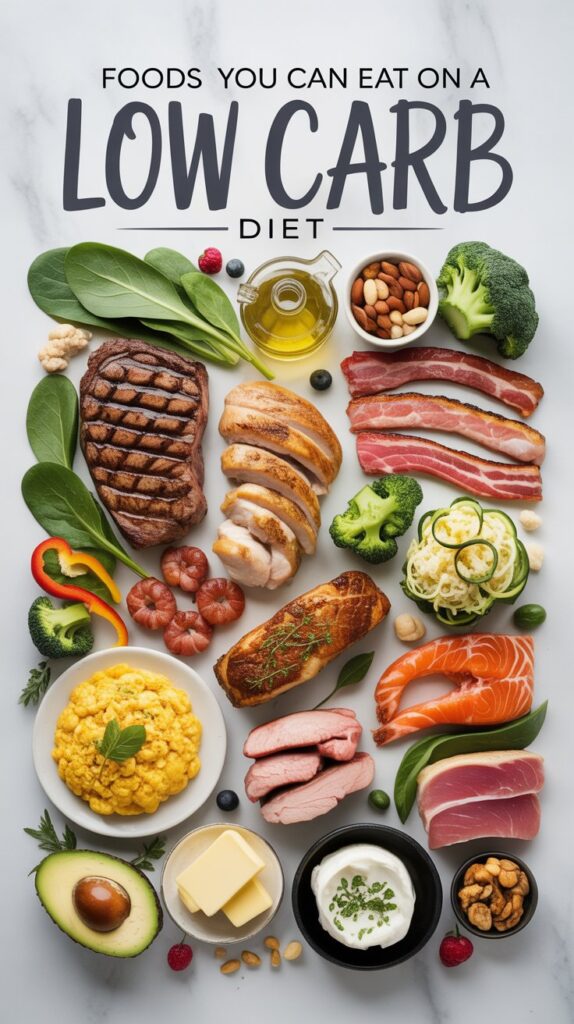
Beef, pork, lamb, chicken, and turkey form the foundation of most low carb meals. You can eat these proteins in any amount because they contain zero carbohydrates. Grilling, baking, roasting, or pan-frying all work well for preparing these foods. Bacon and sausages also fit into this plan, but you need to check the labels since some brands add sugar during processing. Ground meat options like beef, turkey, and chicken help you create quick meals like burgers, meatballs, and stir-fries.
Fish and Seafood
Salmon, tuna, cod, halibut, and trout provide excellent protein with healthy omega-3 fats. Shellfish like shrimp, crab, lobster, mussels, and oysters keep your carb count extremely low while adding variety to your weekly menu. You can grill fish, bake it with butter and herbs, or pan-sear it for a crispy texture. Canned fish like tuna and sardines work great for quick lunches mixed with mayonnaise and served over lettuce.
Eggs
Eggs contain zero carbs and fit into breakfast, lunch, or dinner. You can scramble them, fry them, make omelets, or boil them for easy snacks. One large egg provides about 6 grams of protein and keeps you full for hours. Egg-based dishes like frittatas, quiches, and egg muffins make excellent meal prep options that last several days in the refrigerator.
Non-Starchy Vegetables
Leafy greens like spinach, kale, lettuce, and arugula contain minimal carbs and tons of nutrients. Broccoli, cauliflower, zucchini, bell peppers, asparagus, green beans, Brussels sprouts, and cabbage should fill half your plate at most meals. Cauliflower works as a substitute for rice, mashed potatoes, or pizza crust. Zucchini can replace pasta when spiralized into noodles. You can eat these vegetables raw, steamed, roasted, or sautéed in butter or olive oil.
Healthy Fats and Oils
Olive oil, coconut oil, avocado oil, and butter provide the fats your body needs for energy and nutrient absorption. Avocados offer healthy fats along with fiber and can top salads, go into smoothies, or get eaten alone with salt and pepper. Nuts like almonds, walnuts, pecans, and macadamia nuts make portable snacks but require portion control since they do contain some carbs. A small handful stays around 3 to 5 grams of carbs depending on the type.
Dairy Products
Full-fat cheese varieties like cheddar, mozzarella, parmesan, cream cheese, and goat cheese contain minimal carbs. Heavy cream, sour cream, and butter add richness to meals without adding sugar. Greek yogurt works well if you choose unsweetened, full-fat versions and keep portions moderate since it does contain some natural carbs. Cottage cheese provides protein but check the label because carb amounts vary by brand.
Berries
Strawberries, blueberries, raspberries, and blackberries contain less sugar than most other fruits. A half-cup serving typically has 5 to 8 grams of carbs, making them the best fruit choice for low carb eating. You can add them to Greek yogurt, blend them into smoothies, or eat them fresh as a sweet treat. Other fruits like apples, bananas, and grapes contain too much sugar for most low carb plans.
Seeds
Chia seeds, flax seeds, pumpkin seeds, and sunflower seeds add crunch and nutrition to your meals. You can sprinkle them on salads, mix them into yogurt, or eat them as snacks. Chia and flax seeds absorb liquid and create a pudding-like texture that makes a filling breakfast or dessert. These seeds provide fiber, healthy fats, and various minerals while keeping carb counts reasonable in small portions.
Also Check: Best flat stomach diet
Foods to Avoid on This Diet
Bread and Baked Goods
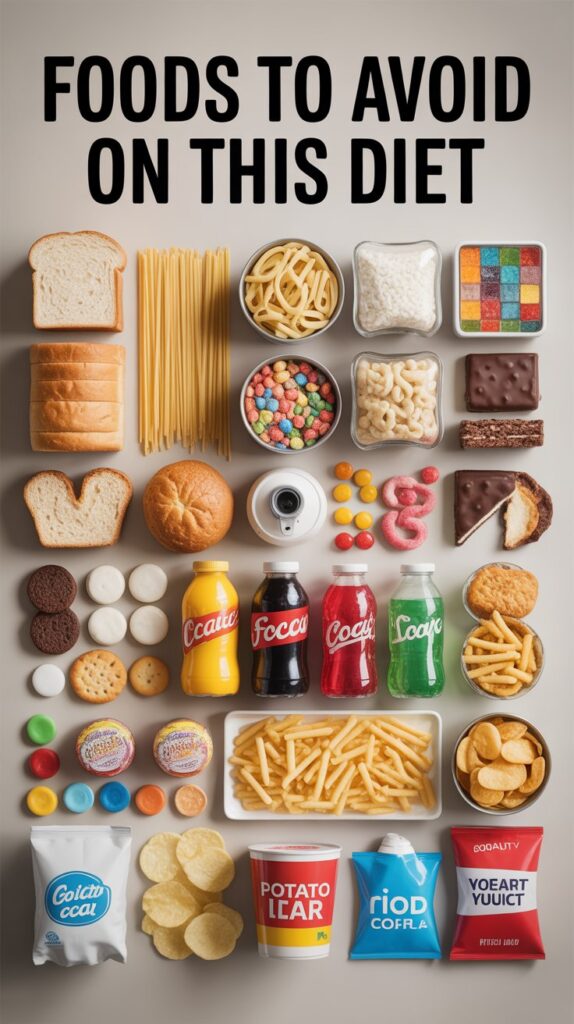
White bread, whole wheat bread, bagels, rolls, and tortillas pack high amounts of carbohydrates that quickly add up. A single slice of bread contains around 15 grams of carbs, which can use up your entire daily allowance on a strict plan. Muffins, donuts, croissants, and pastries combine refined flour with sugar, making them some of the worst choices for low carb eating. Even products labeled as “healthy” or “multigrain” still contain too many carbs to fit this diet.
Pasta and Noodles
Regular pasta made with wheat flour contains about 40 grams of carbs per cooked cup. Spaghetti, penne, macaroni, and other pasta shapes all fall into this high-carb category. Ramen noodles, rice noodles, and egg noodles also contain too many carbohydrates. You need to skip these items completely or use alternatives like zucchini noodles, shirataki noodles, or hearts of palm pasta that mimic the texture without the carbs.
Rice and Grains
White rice, brown rice, quinoa, couscous, and bulgur all contain 30 to 45 grams of carbs per cooked cup. Oatmeal and breakfast cereals also fall into this category, even the ones marketed as healthy options. Corn, including popcorn and corn tortillas, adds too many carbs to fit most low carb plans. Cauliflower rice serves as an excellent substitute that looks and acts like real rice but contains only 5 grams of carbs per cup.
Potatoes and Starchy Vegetables
White potatoes, sweet potatoes, yams, and russet potatoes contain 25 to 35 grams of carbs each. French fries, hash browns, and potato chips turn these vegetables into even worse choices by adding extra carbs through breading or processing. Corn, peas, and beans also count as starchy vegetables that you need to avoid. Carrots and beets contain more sugar than other vegetables, so you should limit or skip them too.
Sugar and Sweeteners
Table sugar, brown sugar, honey, maple syrup, and agave nectar all spike your blood sugar and provide empty calories. Candy, chocolate bars, gummy snacks, and other sweets contain massive amounts of sugar that sabotage your progress. Sweetened beverages like soda, fruit juice, sports drinks, and sweet tea pack 30 to 50 grams of carbs per serving. Even natural sweeteners like coconut sugar and date syrup contain too many carbs for this eating plan.
Also Check: Best plant based diet
How Many Carbs You Should Eat Daily
The Basic Carb Range
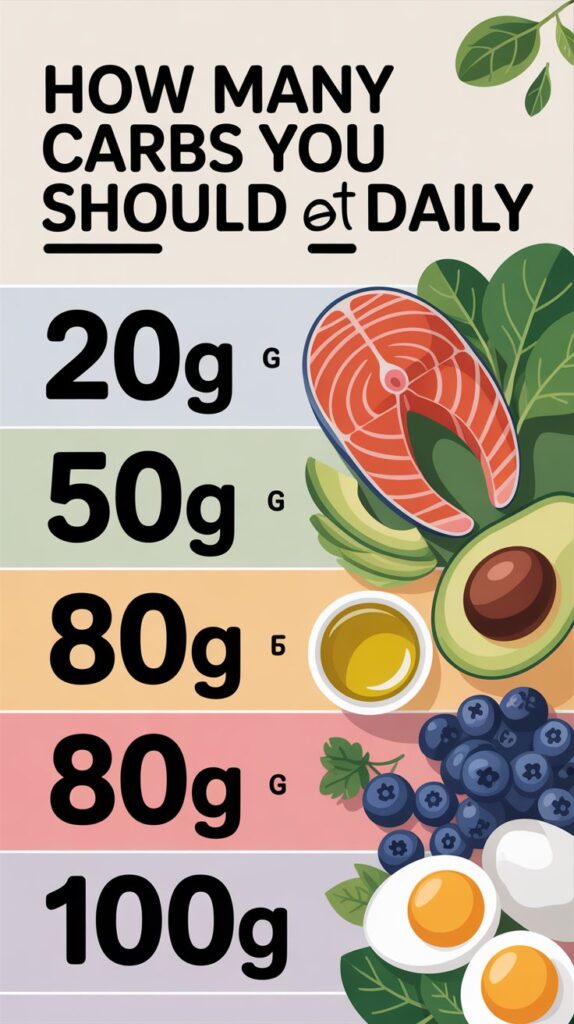
- Standard low carb limits: Most low carb diets keep carbohydrates between 20 and 100 grams per day, giving you a wide range to work within based on your individual needs.
- Finding your starting point: Beginners should start around 50 grams daily and track their food for two weeks to see how their body responds before making adjustments.
- Why the range varies: Someone trying to lose significant weight might eat 30 grams daily, while an active person maintaining their weight could consume 80 grams and still benefit.
- Individual responses matter: Your body gives clear feedback through energy levels, hunger patterns, and weight changes that help you determine your ideal carb intake.
What Determines Your Personal Carb Target
- Body weight impact: Heavier individuals often handle slightly higher carb amounts because their bodies naturally burn more calories throughout the day.
- Age considerations: Metabolism slows down with each decade, so a 25-year-old typically tolerates more carbs than a 55-year-old eating the same foods.
- Gender differences: Men usually need more carbs than women because they carry more muscle mass, which requires additional fuel to maintain.
- Health conditions: Diabetes, insulin resistance, or polycystic ovary syndrome usually require keeping carbs under 50 grams to manage symptoms effectively.
- Activity level priority: Your daily movement and exercise habits have the biggest influence on how many carbs your body can process while still burning fat.
How Active People Should Approach Carbs
- Sedentary lifestyle needs: Desk workers who sit most of the day require fewer carbs than people who stay physically active throughout their workday.
- Exercise increases tolerance: Regular workouts allow you to eat more carbs because muscles pull sugar from your blood to power movement and repair tissue.
- Strength training benefits: Someone lifting weights four times per week can consume 70 to 90 grams daily without slowing their fat loss progress.
- Endurance athlete requirements: Runners and cyclists might need the full 100 grams to maintain their performance and energy during long training sessions.
- Light activity adjustments: Walking or yoga requires less carb adjustment, so most people doing casual exercise stay in the 40 to 60 gram range.
Also Check: Best Mediterranean diet recipes
Starting Your Low Carb Journey
- Two-week trial period: Begin at 50 grams per day and commit to tracking everything you eat for the first two weeks to establish your baseline.
- Use tracking tools: Food logging apps help you learn where carbs hide in your meals and make it easier to stay within your daily limit.
- Monitor multiple factors: Track your weight, energy levels, hunger patterns, sleep quality, and mood to get a complete picture of how this eating style affects you.
- Give it time: Your body needs at least two weeks to adapt to lower carb intake before you can accurately judge whether this amount works.
- Plan for adjustments: After the initial period, increase or decrease your carb intake by 10 to 15 grams based on your results and how you feel.
Different Types of Low Carb Diets
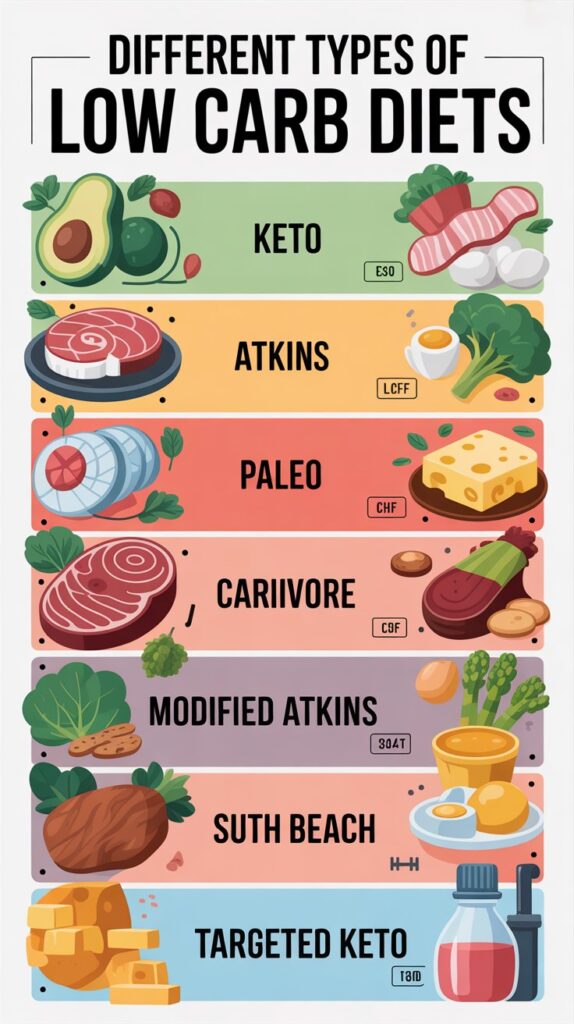
Ketogenic Diet (Keto)
The ketogenic diet restricts carbs to 20 to 50 grams per day, forcing your body into ketosis where it burns fat for fuel. The plan requires getting 70 to 80 percent of daily calories from fat, 15 to 20 percent from protein, and only 5 to 10 percent from carbs. Meals center around fatty meats, oils, butter, cream, cheese, nuts, and low-carb vegetables. This diet works best for rapid weight loss, managing epilepsy, and people who enjoy high-fat foods and can commit to strict tracking.
Paleo Diet
The paleo diet focuses on foods available to ancient humans, eliminating processed items, grains, legumes, and dairy products. While not specifically low carb, paleo naturally limits carbs to 50 to 100 grams daily by removing bread, pasta, rice, and sugar. You eat meat, fish, eggs, vegetables, fruits, nuts, seeds, and healthy oils. This approach works best for people interested in eating unprocessed foods and who prefer not tracking macros obsessively.
Low Carb High Fat (LCHF)
The LCHF approach allows 50 to 100 grams of carbs daily, making it less restrictive than keto but still effective for weight loss. This diet prioritizes healthy fats through avocados, olive oil, nuts, fatty fish, and full-fat dairy. You eat enough carbs to stay out of ketosis, which many find easier to maintain long-term. This diet works best for people who find keto too restrictive and want sustainable eating habits they can follow for years.
Carnivore Diet
The carnivore diet eliminates all plant foods and allows only animal products like meat, fish, eggs, and some dairy. People following this diet eat beef, pork, chicken, fish, and eggs while avoiding all vegetables, fruits, grains, nuts, and seeds. This extreme approach lacks long-term research about its safety. Carnivore works for some people dealing with severe autoimmune conditions, but most find the restriction too difficult to maintain long-term.
Modified Atkins Diet (MAD)
The modified Atkins diet simplifies the original approach by starting at 20 to 30 grams of carbs daily without phases. You track only carbs and ignore calories, making meal planning simpler than strict keto. Medical professionals originally developed MAD as an easier alternative to ketogenic diets for managing epilepsy. This approach works best for people who want keto benefits without detailed tracking and those who prefer simplicity over strict rules.
South Beach Diet
The South Beach diet combines low carb principles with choosing healthy carbs and fats rather than eliminating food groups. Phase 1 lasts two weeks and removes all carbs to jumpstart weight loss. Phase 2 reintroduces healthy carbs like berries and whole grains, and Phase 3 becomes a maintenance plan with balanced eating. This diet works well for people who want to lose weight without giving up carbs forever and those interested in heart-healthy eating patterns.
Targeted Ketogenic Diet (TKD)
The targeted ketogenic diet adds 25 to 50 grams of fast-acting carbs 30 to 60 minutes before exercise while keeping the rest of the day very low carb. You eat simple sources like fruit or honey that digest quickly for workout fuel. Your body burns these carbs during exercise, then returns to ketosis afterward. TKD works best for people doing high-intensity workouts like CrossFit or heavy weightlifting who struggle with performance on standard keto.
Meal Prep Ideas for Busy People
Cook Proteins in Bulk
Grill or bake 3 to 5 pounds of chicken, ground beef, or pork on Sunday for the entire week. Divide cooked meat into 4 to 6 ounce portions and store in containers. Season each batch differently to avoid repetitive flavors. Cook double amounts and freeze half for emergency backup meals.
Pre-Cut Vegetables
Chop broccoli, cauliflower, bell peppers, zucchini, and mushrooms into ready-to-cook pieces. Store in airtight containers with paper towels to keep them fresh for 4 to 5 days. Roast sheet pans of vegetables with olive oil that reheat easily throughout the week.
Make-Ahead Egg Dishes
Mix eggs with vegetables, cheese, and sausage in muffin tins for 12 grab-and-go breakfasts. Cook a dozen hard-boiled eggs for quick snacks. Bake large frittatas in a 9×13 pan and cut into squares for easy reheating.
Prepare Complete Meal Containers
Fill containers with one portion of meat, roasted vegetables, and cauliflower rice. Make large pots of low-carb soup that portion easily. Prepare taco bowl ingredients separately to assemble fresh meals daily.
Use Slow Cooker and Instant Pot
Load your slow cooker in the morning with meat, broth, and vegetables for ready dinners. Cook large cuts of pork or beef that shred for multiple meals. Use an Instant Pot to cook frozen meat in 30 minutes when you forget to prep.
Create Snack Stations
Cut cheese into cubes and store in small bags. Measure 1-ounce servings of nuts into containers. Roll deli meat around cheese sticks for protein-packed snacks. Make fat bombs with cream cheese and cocoa powder to freeze.
Prep Cauliflower Rice and Mash
Pulse cauliflower in a food processor, cook all at once, and store portions for easy reheating. Make multiple cauliflower pizza crusts and freeze individually. Buy pre-riced frozen cauliflower that cooks in 5 minutes.
Also Check: Best Weight Loss Diet
Final Thoughts
Starting a low carb diet plan takes commitment, but the results make the effort worthwhile. You now have the knowledge to choose the right diet type, stock your kitchen properly, avoid common mistakes, and prepare meals efficiently. Success comes through consistency rather than perfection, so focus on daily progress instead of expecting immediate changes. Track your food during the first few weeks, then adjust based on how your body responds. Most people find low carb eating becomes easier after the first month as cravings decrease and energy stabilizes. Give yourself time to adapt and celebrate small victories along the way. The strategies in this guide provide everything you need to build a sustainable low carb lifestyle that supports your health goals.