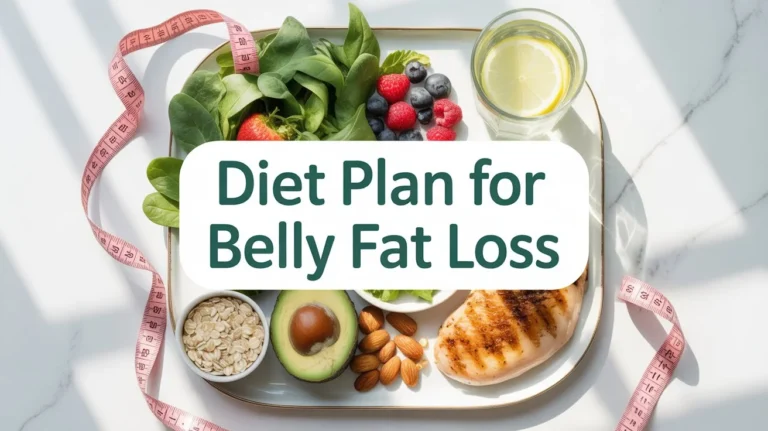
Best flat stomach diet
Getting a flat stomach starts with eating the right foods at the right times. Your body stores fat around your midsection when you consume too many processed foods and refined sugars. A flat stomach diet focuses on three key factors: maintaining stable blood sugar levels, reducing inflammation in the digestive system, and optimizing how the body processes food.
When you eat foods that digest slowly, your blood sugar stays steady instead of spiking up and down. These stable levels tell your body to burn fat for energy rather than store it around your waist. Many people carry a bloated stomach because of poor gut health rather than actual fat. Better digestion naturally creates a flatter midsection while helping you feel lighter and more energetic.
What Makes a Flat Stomach Diet Work
A flat stomach diet works by reducing belly fat and preventing bloating simultaneously. Your body stores fat around your midsection when you eat too many processed foods and sugar. The right foods help your body burn this stored fat instead of adding more.
Three main factors make this diet effective:
Stable Blood Sugar Levels: Foods that digest slowly keep your blood sugar steady. When your blood sugar spikes and drops, your body stores extra calories as belly fat. Steady blood sugar tells your body to burn fat instead of storing it.
Reduced Inflammation: Certain foods calm down inflammation in your digestive system. Inflammation makes your stomach look puffy and swollen. Anti-inflammatory foods help your midsection appear flatter and feel better.
Better Digestion: The right foods support good bacteria in your intestines and prevent gas buildup. Many people have a bloated stomach because of poor gut health, not actual fat. When your digestion improves, your stomach naturally flattens.
Choose High-Protein Foods
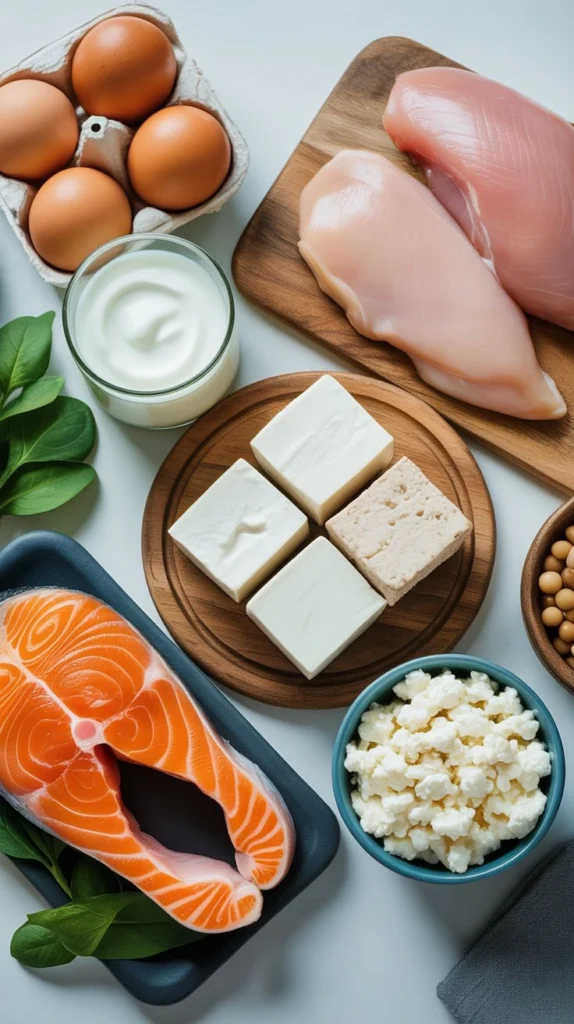
Protein should be part of every meal when you want a flat stomach. Your body uses more energy to digest protein than any other nutrient, so you burn extra calories automatically.
Eggs make an excellent breakfast choice. One egg contains about 6 grams of protein and keeps you full for hours. Greek yogurt provides double the protein of regular yogurt, with 15 to 20 grams per cup. Choose plain versions and add fresh berries.
Chicken breast and turkey are lean options that build muscle without adding fat. A 3-ounce serving delivers around 25 grams of protein. Fish like salmon, tuna, and cod help burn belly fat while providing quality protein. Salmon also contains omega-3 fats that reduce inflammation around your midsection.
Cottage cheese works great as a snack, giving you 12 to 15 grams of protein per half cup with very few calories. Plant-based eaters can choose tofu, tempeh, and edamame for similar benefits. Aim for 20 to 30 grams of protein at each meal. This amount keeps your metabolism active and prevents muscle loss when you lose weight. Your body burns fat instead of muscle when you eat enough protein throughout the day.
Also visit: Best Mediterranean diet recipes
Add More Vegetables to Your Plate
Vegetables give you a flat stomach because they contain lots of fiber and very few calories. Fiber helps your digestive system work smoothly and keeps you feeling full after meals.
Leafy Greens: Spinach, kale, and romaine lettuce should fill half your plate. These vegetables have almost no calories but provide tons of nutrients. You can eat large portions without worrying about weight gain.
Cucumbers and Celery: These vegetables contain high water content that flushes out excess salt and reduces bloating. They also add crunch to your meals without adding calories. Snack on cucumber slices with a little hummus.
Bell Peppers, Zucchini, and Broccoli options give you fiber and help your body digest food faster. Steam or roast them with a small amount of olive oil. Raw vegetables work too if you prefer the crunch.
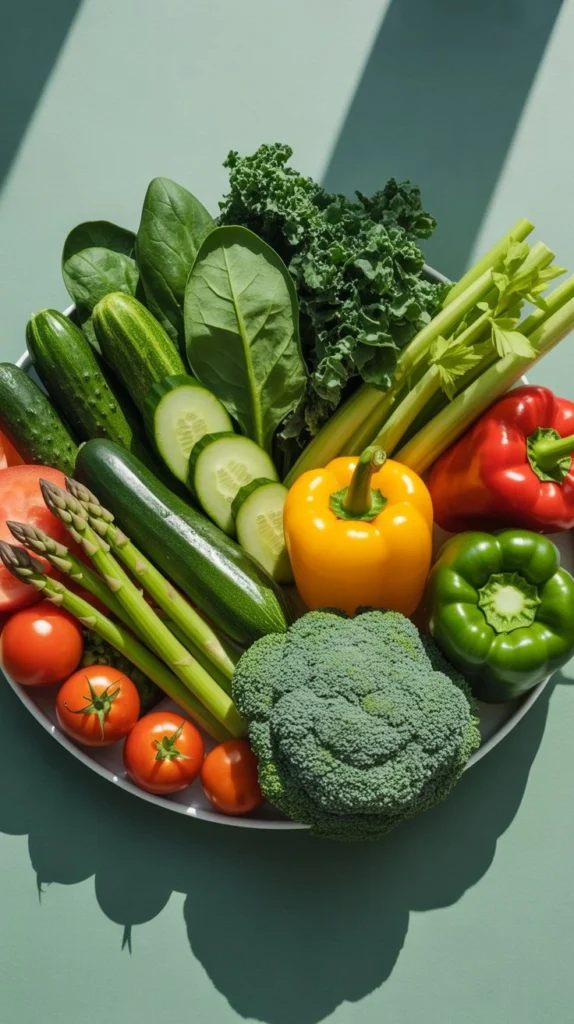
Asparagus: Asparagus acts as a natural diuretic that removes extra water your body holds onto. This makes your stomach look flatter within a day or two. Roast asparagus spears for 15 minutes at 400 degrees.
Tomatoes: Tomatoes reduce inflammation and help prevent bloating. Add them to salads, omelets, or eat them as a snack. Cherry tomatoes make an easy option for busy days.
Aim for at least 3 to 4 servings of vegetables every day. One serving equals about one cup of raw vegetables or half a cup of cooked ones. The more colorful your plate looks, the better results you’ll see.
Choose Whole Grains Over Refined Carbs
Whole grains help you get a flat stomach because they digest slowly and keep your blood sugar stable. Refined carbs like white bread and pasta spike your blood sugar quickly, which tells your body to store belly fat.
Brown Rice: Brown rice keeps the outer layer that white rice loses during processing. This layer contains fiber that fills you up and helps your digestive system. One cup of cooked brown rice gives you about 3.5 grams of fiber. Use it as a base for stir-fries or grain bowls.
Quinoa: Quinoa provides complete protein along with fiber. One cup of cooked quinoa delivers 8 grams of protein and 5 grams of fiber. It cooks in just 15 minutes and works well in salads or as a side dish.

Oats: Oats contain a special fiber called beta-glucan that reduces belly fat specifically. A bowl of oatmeal in the morning keeps you full until lunch. Choose steel-cut or rolled oats instead of instant packets that have added sugar.
Whole Wheat Bread: Real whole wheat bread lists whole wheat flour as the first ingredient. Check labels carefully because many brown breads just add coloring to white flour. Two slices should give you at least 4 grams of fiber.
Barley: Barley has more fiber than most grains and helps reduce cholesterol. Add it to soups or cook it like rice as a side dish. Pearl barley cooks faster than hulled barley.
Swap your refined carbs gradually. Replace white rice with brown rice at dinner, then switch your morning toast to whole grain. Your stomach will look flatter within two weeks as your blood sugar stabilizes and bloating decreases.
Include Healthy Fats in Your Meals
Healthy fats actually help you lose belly fat instead of adding to it. These fats reduce inflammation in your body and keep you satisfied for hours after eating.
Avocados: Avocados contain monounsaturated fats that target belly fat specifically. Half an avocado gives you about 15 grams of healthy fat and 7 grams of fiber. Add slices to salads, spread on whole-grain toast, or blend into smoothies.
Nuts: Almonds, walnuts, and cashews provide healthy fats along with protein. A small handful (about 1 ounce) makes a perfect snack that keeps hunger away. Walnuts have omega-3 fats that calm inflammation around your midsection. Just watch your portions because nuts contain lots of calories.
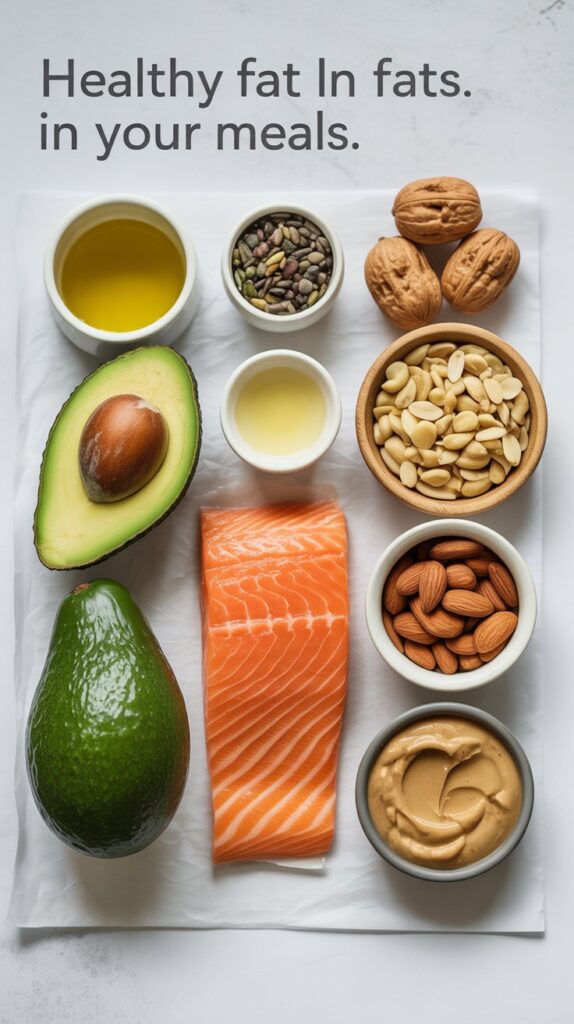
Seeds: Chia seeds, flaxseeds, and pumpkin seeds pack nutrition into tiny packages. Two tablespoons of chia seeds give you omega-3 fats and expand in your stomach to keep you full. Sprinkle seeds on yogurt, oatmeal, or salads.
Olive Oil: Extra virgin olive oil reduces inflammation and helps your body absorb nutrients better. Use 1 to 2 tablespoons for cooking or drizzle it over vegetables. Skip vegetable oils and canola oil, which can increase inflammation.
Fatty Fish: Salmon, mackerel, and sardines contain omega-3 fatty acids that specifically target belly fat. Eat fish twice a week to get these benefits. A 3-ounce portion of salmon provides about 2 grams of omega-3s.
Nut Butters: Natural almond butter and peanut butter give you healthy fats without added sugar. Spread one tablespoon on apple slices or celery sticks for a filling snack.
Add one source of healthy fat to each meal. Your body needs these fats to absorb vitamins and stay full between meals. You’ll notice less snacking and a flatter stomach when you include the right fats in your diet.
Drink Enough Water Every Day
Water plays a huge role in getting a flat stomach. Your body needs water to flush out excess sodium, reduce bloating, and burn fat efficiently.
Drinking 8 to 10 glasses of water daily keeps your digestive system moving smoothly. When you don’t drink enough water, your body holds onto every drop it has. This creates water retention that makes your stomach look puffy and swollen. Green tea counts as water intake and adds extra benefits. It contains compounds called catechins that help your body burn belly fat faster. Drink 2 to 3 cups of green tea spread throughout the day.
Herbal teas like peppermint and ginger also support a flat stomach. Peppermint relaxes your digestive muscles and reduces gas. Ginger calms inflammation and settles your stomach after meals.

Daily Water Intake Guide
- Morning (upon waking): 1 glass (8 oz) to activate digestion
- Before breakfast: 1 glass (8 oz) to reduce appetite
- Mid-morning: 1 to 2 glasses (8 to 16 oz) to maintain hydration
- Before lunch: 1 glass (8 oz) to aid digestion
- Afternoon: 2 glasses (16 oz) to flush toxins
- Before dinner: 1 glass (8 oz) to control portions
- Evening: 1 to 2 glasses (8 to 16 oz) to prevent overnight dehydration
Skip sugary drinks, energy drinks, and too much coffee. These options dehydrate your body and can cause bloating. Coffee acts as a diuretic that makes you lose water instead of keeping it for healthy functions.
You can tell if you drink enough water by checking your urine color. Pale yellow means good hydration. Dark yellow signals you need more water. Your stomach will look flatter and feel lighter when you stay properly hydrated all day long.
Berries and Fruits That Help Flatten Your Stomach
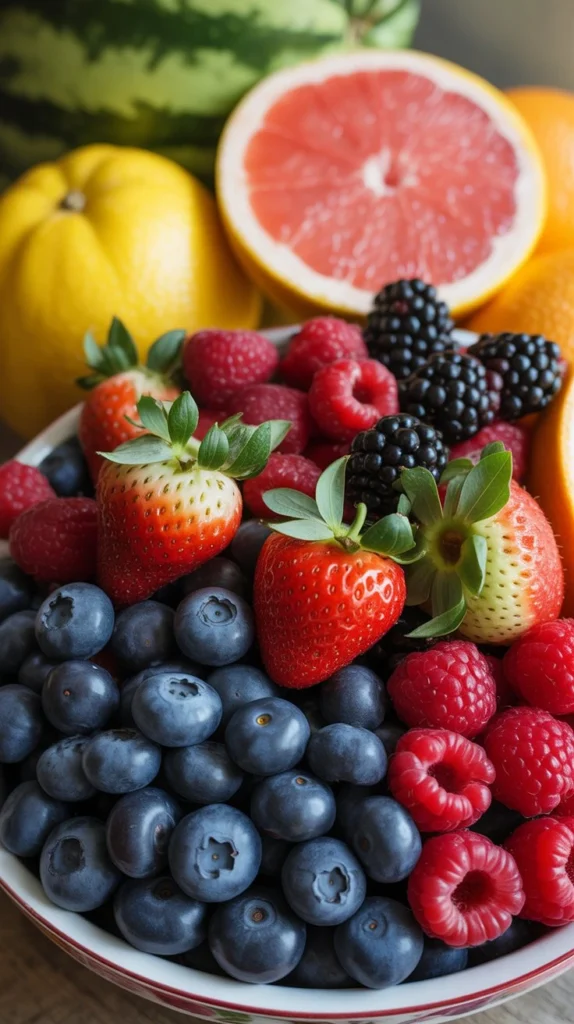
Berries and certain fruits help flatten your stomach because they contain fiber, antioxidants, and natural compounds that fight belly fat. These fruits satisfy your sweet cravings without the added sugar that turns into stored fat.
| Fruit | Fiber Per Serving | Calories Per Serving | Key Benefits | How to Eat |
| Blueberries | 4 grams per cup | 84 calories | Contains antioxidants that reduce belly fat and lower inflammation | Add to yogurt, oatmeal, or eat fresh as snack |
| Strawberries | 3 grams per 8 medium | 46 calories | High water content flushes out sodium and reduces bloating | Slice for salads or blend into smoothies |
| Raspberries | 8 grams per cup | 64calories | Highest fiber content helps digestion and may break down fat cells | Mix with cottage cheese or eat plain |
| Blackberries | 7.6 grams per cup | 62 calories | Antioxidants fight inflammation without spiking blood sugar | Combine with Greek yogurt for protein |
| Watermelon | 0.6 grams per cup | 46 calories | 92% water acts as natural diuretic to remove excess water | Eat fresh chunks as hydrating snack |
| Grapefruit | 2 grams per half | 52 calories | Controls insulin levels and keeps blood sugar stable | Eat half before meals to reduce appetite |
Tips for Eating Fruits
- Eat berries and fruits in their whole form instead of drinking juice
- Juice removes the fiber and concentrates the sugar, which can actually increase belly fat
- Aim for 2 to 3 servings of these fruits daily
- One serving equals one cup of berries or one medium piece of fruit
- Keep fresh berries in your fridge for quick snacks that help flatten your stomach naturally
Also check: Best Weight Loss Diet
Probiotic Foods for Better Digestion
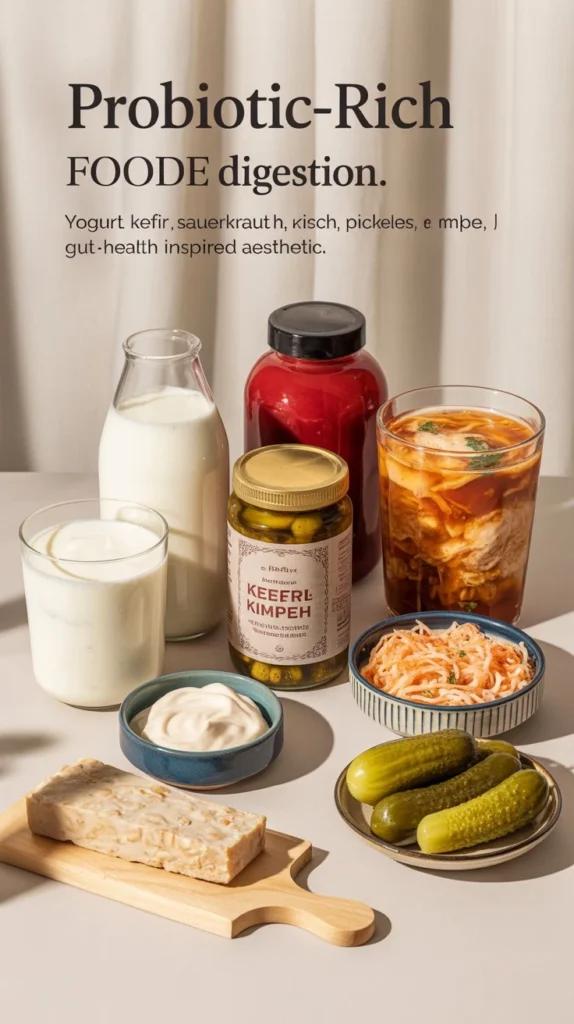
Probiotic foods contain live bacteria that improve your gut health and reduce bloating. A healthy gut means a flatter stomach because good bacteria help you digest food properly and prevent gas buildup.
Yogurt
Yogurt with live active cultures provides billions of helpful bacteria for your digestive system. Look for labels that say “live and active cultures” or list specific strains like Lactobacillus or Bifidobacterium. Greek yogurt gives you extra protein along with probiotics. Eat one cup daily, plain or with fresh berries. Avoid flavored yogurts that contain lots of added sugar.
Kefir
Kefir is a drinkable yogurt that contains more probiotic strains than regular yogurt. One cup of kefir provides up to 61 different strains of bacteria and yeast. It tastes tangy and works great in smoothies. Drink 4 to 8 ounces per day for digestive benefits.
Sauerkraut
Sauerkraut is fermented cabbage packed with probiotics and fiber. Two tablespoons give your gut beneficial bacteria that reduce inflammation. Choose raw, unpasteurized sauerkraut because the pasteurization process kills the live cultures. Add it to salads or eat it as a side dish.
Kimchi
Kimchi is a spicy Korean fermented vegetable dish that supports gut health. It contains cabbage, radishes, and spices that create powerful probiotics during fermentation. One to two tablespoons daily can improve digestion significantly. The spicy flavor also boosts your metabolism slightly.
Pickles
Naturally fermented pickles (not vinegar-based ones) contain probiotics that aid digestion. Look for pickles in the refrigerated section that say “naturally fermented” on the label. Regular shelf-stable pickles don’t have live cultures. Eat one or two pickle spears as a low-calorie snack.
Miso
Miso is a fermented soybean paste used in Japanese cooking. It contains enzymes and probiotics that help break down food in your stomach. One tablespoon of miso paste mixed in hot water makes a soothing soup. You can also use it in salad dressings and marinades.
Tempeh
Tempeh is fermented soybeans pressed into a firm cake. It provides probiotics along with 15 grams of protein per 3-ounce serving. The fermentation process makes it easier to digest than regular soybeans. Slice and pan-fry tempeh, then add it to stir-fries or grain bowls.
Beans and Lentils for Lasting Fullness
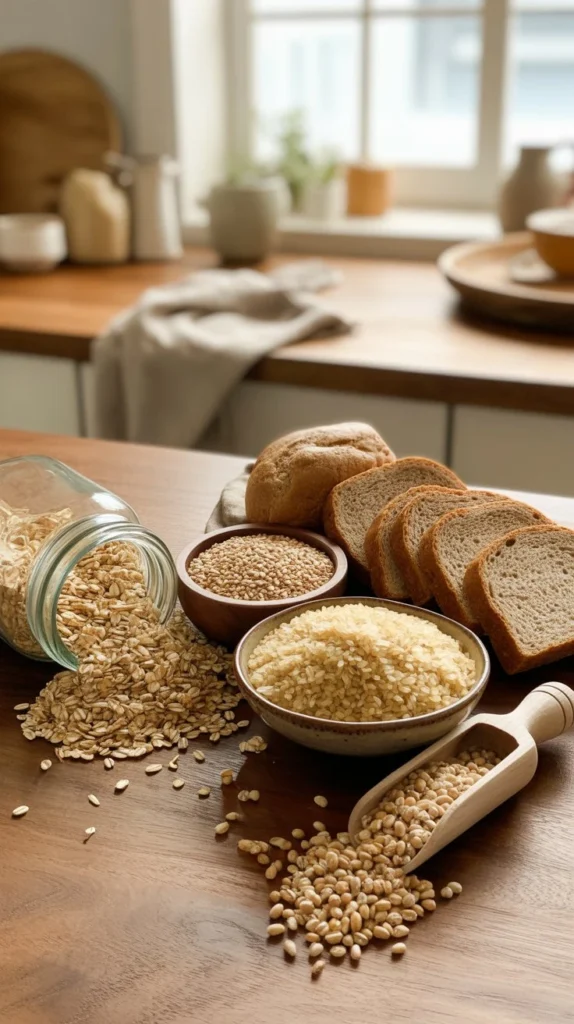
Beans and lentils keep you satisfied for hours because they combine protein and fiber in one food. This combination stabilizes your blood sugar and prevents the cravings that lead to overeating.
Black Beans: Black beans deliver 15 grams of protein and 15 grams of fiber per cooked cup. They digest slowly and keep your energy levels steady throughout the day. Add them to salads, soups, or make them into burgers. Rinse canned black beans to remove excess sodium.
Chickpeas: Chickpeas (garbanzo beans) provide 14.5 grams of protein and 12.5 grams of fiber per cup. They contain resistant starch that your body burns as fuel instead of storing as fat. Roast chickpeas for a crunchy snack or mash them into hummus. You can also toss them into grain bowls and pasta dishes.
Lentils: Lentils cook faster than most beans and give you 18 grams of protein per cup. Red lentils break down into a creamy texture perfect for soups. Brown and green lentils hold their shape better for salads. They also contain iron that helps your body burn calories efficiently.
Kidney Beans:Kidney beans pack 15 grams of protein and 13 grams of fiber per cooked cup. They help regulate blood sugar and prevent insulin spikes that cause belly fat storage. Use them in chili, tacos, or mixed with rice for a complete protein meal.
Also visit: Anti-Inflammation Diet
Navy Beans:Navy beans contain more fiber than most beans, with 19 grams per cup. This high fiber content supports healthy gut bacteria and improves digestion. They taste mild and work well in stews and baked bean recipes. Soak dried navy beans overnight to reduce cooking time.
Pinto Beans: Pinto beans offer 15 grams of protein and 15 grams of fiber per cup. They contain antioxidants that reduce inflammation around your midsection. Mash them for refried beans or add them whole to burritos and grain bowls.
Split Peas: Split peas provide 16 grams of protein and 16 grams of fiber per cooked cup. They cook in about 30 minutes without soaking. Green and yellow split peas both work great in thick, hearty soups that keep you full for hours.
Meal Timing and Portion Control
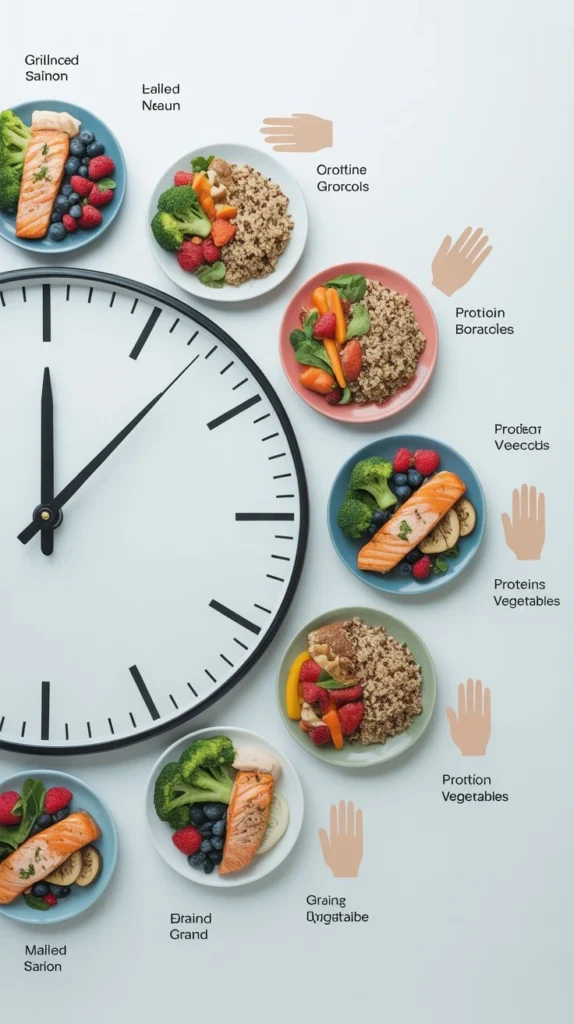
When you eat matters just as much as what you eat for getting a flat stomach. Proper meal timing keeps your metabolism active and prevents overeating that stretches your stomach.
Eat Every 3 to 4 Hours: Spacing meals evenly throughout the day keeps your blood sugar stable and prevents hunger that leads to binge eating. Your body burns calories more efficiently when you feed it consistently. Plan for three main meals and one or two small snacks between them.
Start Your Day With Breakfast: Eating within one hour of waking up activates your metabolism for the day. A protein-rich breakfast prevents mid-morning cravings and reduces the total calories you eat throughout the day. Skipping breakfast often leads to overeating at lunch.
Make Lunch Your Largest Meal: Your body digests food best during the middle of the day when your metabolism runs fastest. A bigger lunch gives you energy for afternoon activities and prevents excessive hunger at dinner time. This pattern helps you eat lighter in the evening when your body slows down.
Eat Dinner at Least 3 Hours Before Bed: Late-night eating causes your body to store more food as fat because your metabolism decreases at night. Finishing dinner by 7 PM gives your digestive system time to process food before sleep. Your stomach will look flatter in the morning when you stop eating early.
Daily Meal Timing Schedule for a Flat Stomach
| Time | Meal | Purpose |
| 7:00 AM | Breakfast | Activates metabolism and prevents mid-morning cravings |
| 10:00 AM | Mid-Morning Snack | Maintains energy levels and prevents overeating at lunch |
| 1:00 PM | Lunch (Largest Meal) | Provides energy when metabolism runs fastest |
| 4:00 PM | Afternoon Snack | Bridges gap to dinner and prevents evening hunger |
| 7:00 PM | Dinner (Lighter Meal) | Allows 3 hours for digestion before bed |
Control Your Portions
Even healthy foods add belly fat when you eat too much. Use smaller plates that make normal portions look bigger. Your brain registers fullness based partly on visual cues. A 9-inch plate works better than a 12-inch plate for portion control.
| Hand Measurement | Portion Size | Food Examples |
| Palm | 3 to 4 ounces | Meat, fish, poultry, tofu |
| Fist | 1 cup | Cooked grains, fruits, vegetables |
| Thumb | 1 tablespoon | Nut butters, oils, dressings |
| Handful | 1 ounce | Nuts, seeds, dried fruits |
Fill Half Your Plate With Vegetables
Vegetables take up space in your stomach with very few calories. Loading half your plate with vegetables automatically reduces portions of higher-calorie foods. This simple visual trick helps you eat less without feeling deprived.
Stop eating when you feel 80% full instead of completely stuffed. It takes 20 minutes for your brain to register fullness signals. Put your fork down between bites and chew slowly. Eating too fast causes you to consume more food before your body realizes you’ve had enough.
Conclusion
Getting a flat stomach requires consistent food choices and smart eating habits. Focus on protein-rich foods, vegetables, whole grains, and healthy fats while avoiding processed items that cause bloating. Drink plenty of water, add probiotic foods for better digestion, and choose fruits like berries that provide fiber without excess sugar.
You’ll notice less bloating within the first week. Real belly fat loss takes 2 to 3 weeks of staying consistent. Your stomach continues to flatten as you maintain these habits long term. Small, sustainable changes work better than extreme diets you can’t stick with. Make these eating patterns part of your daily routine for lasting results.